Mercedes Unveils the W17 as F1 Prepares to Ditch DRS
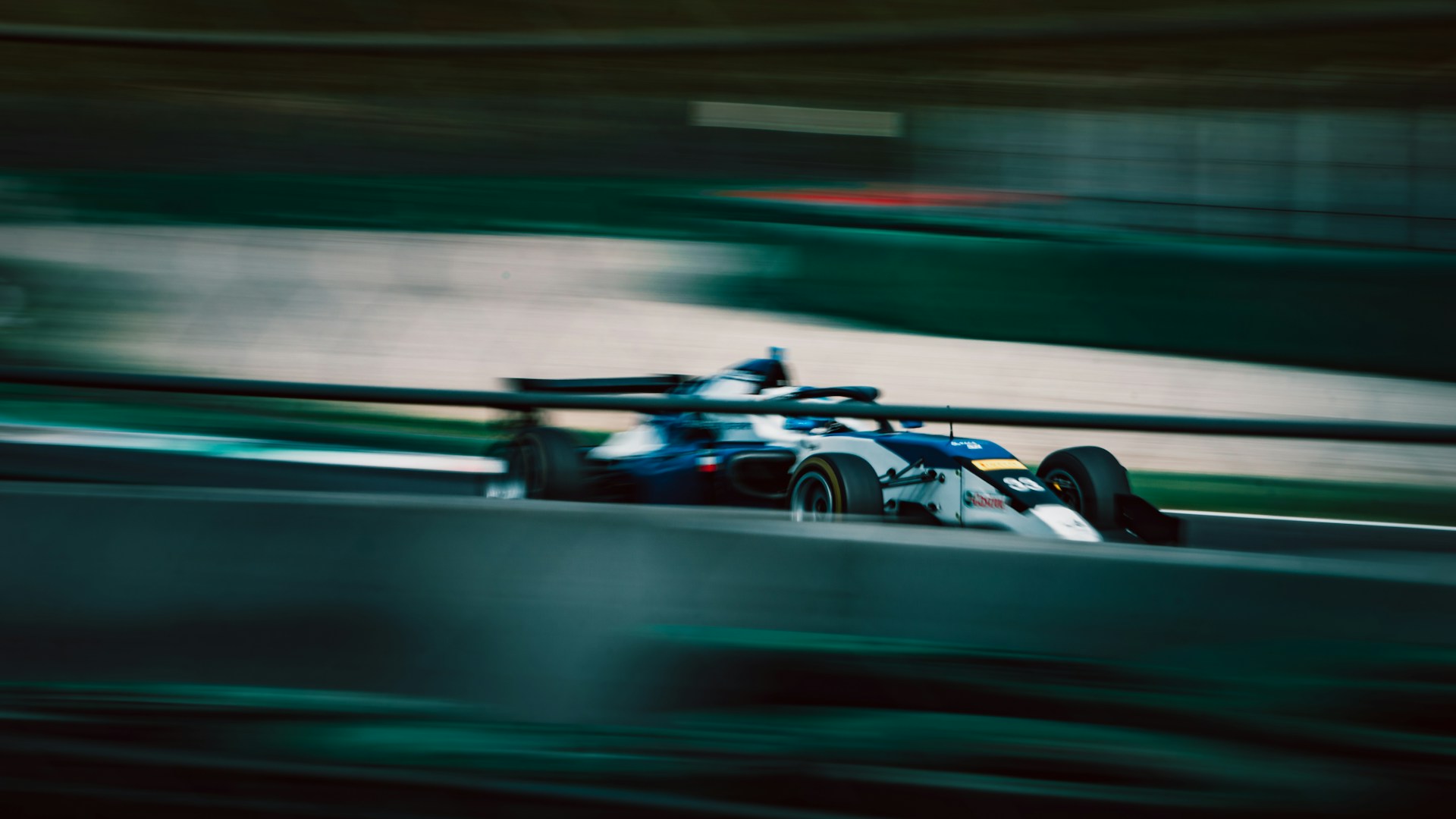
Mercedes has officially tipped its hand, releasing the first images of the Mercedes-AMG F1 W17 E PERFORMANCE. This isn’t just a routine seasonal update; it is a machine built from a clean slate to meet the 2026 regulations, widely considered the most significant technical overhaul in the sport’s history. The visuals confirm immediate changes: the W17 is smaller, narrower, and notably lighter than its predecessors, signaling a departure from the bulky footprint of the current grid.
Under the engine cover, which features a scattering of the iconic three-pointed stars, lies the heart of the new era. The power unit now features a nearly 50/50 split between electric and internal combustion power, running on sustainable fuels developed in tandem with Petronas. The livery reflects this evolution, blending the team’s traditional silver and deep black with a dynamic Petronas green line running low along the car to accentuate speed, while the sidepods bear the signature AMG diamond pattern.
“Formula 1 is about to face a radical change, and we are ready,” said Team Principal Toto Wolff. “The new rules require absolute innovation in every area. These first images are just the next step of immense work carried out collectively by our bases in Brixworth and Brackley.”
The End of an Era
A critical component of the W17’s design is the shift toward active aerodynamics on both the front and rear wings. This technology effectively marks the end of the Drag Reduction System (DRS), a controversial driver aid that has defined overtaking in Formula 1 since its introduction in 2011.
Come 2026, the sport will bid farewell to the “flip-up” rear wing concept in favor of a new “override mode.” Rather than reducing drag mechanically to pass, the chasing driver will be granted a short burst of extra power to facilitate overtaking, fundamentally changing the dynamics of wheel-to-wheel combat.
How DRS Defined Modern Racing
To understand the magnitude of this shift, one has to look at how DRS has dictated race strategy for over a decade. The system, literally translated as “Drag Reduction System,” allowed a driver to manually open a horizontal flap on the rear wing. By doing so, they reduced aerodynamic drag, increasing top speed to help close the gap to the car ahead.
The operation was never automatic. Drivers had to manually trigger the system via a button on the steering wheel—placement depended on driver preference—and it came with strict constraints. In a race scenario, activation was only permitted when a driver was within one second of the car in front, regardless of whether they were fighting for position or lapping a backmarker.
This crucial one-second gap was measured at specific “detection points” via electronic loops embedded in the asphalt. If the timing gap was sufficient, the system sent a signal to the car, lighting up a dash indicator to let the driver know they could deploy the wing in the upcoming “DRS zone.” If the driver pressed the button too early, the wing simply wouldn’t open. Conversely, the flap would snap shut automatically the moment the driver lifted off the throttle or touched the brakes, though it could also be closed manually.
Tactical Nuances and Limitations
While intended to generate excitement, the system was not without its critics, often creating a division among fans and drivers who felt it felt artificial. It also created unique tactical scenarios, such as the “DRS Train.” If a defending driver was also within one second of a car in front of them, they too could activate DRS. This chain reaction effectively neutralized the speed advantage of the attacking car behind, making overtaking significantly harder. Savvy defenders would also hoard electrical energy from their hybrid systems to deploy specifically in these zones, further countering the DRS advantage.
Safety protocols also strictly governed its use. Race control could disable DRS entirely if conditions were deemed dangerous, such as during heavy rain or when debris littered the track. Furthermore, it was banned during the chaotic first lap of a race and immediately following a safety car restart or red flag period.
