The iPhone 17 Arrives with Pro Upgrades, but European Repair Laws Threaten Apple’s Ecosystem
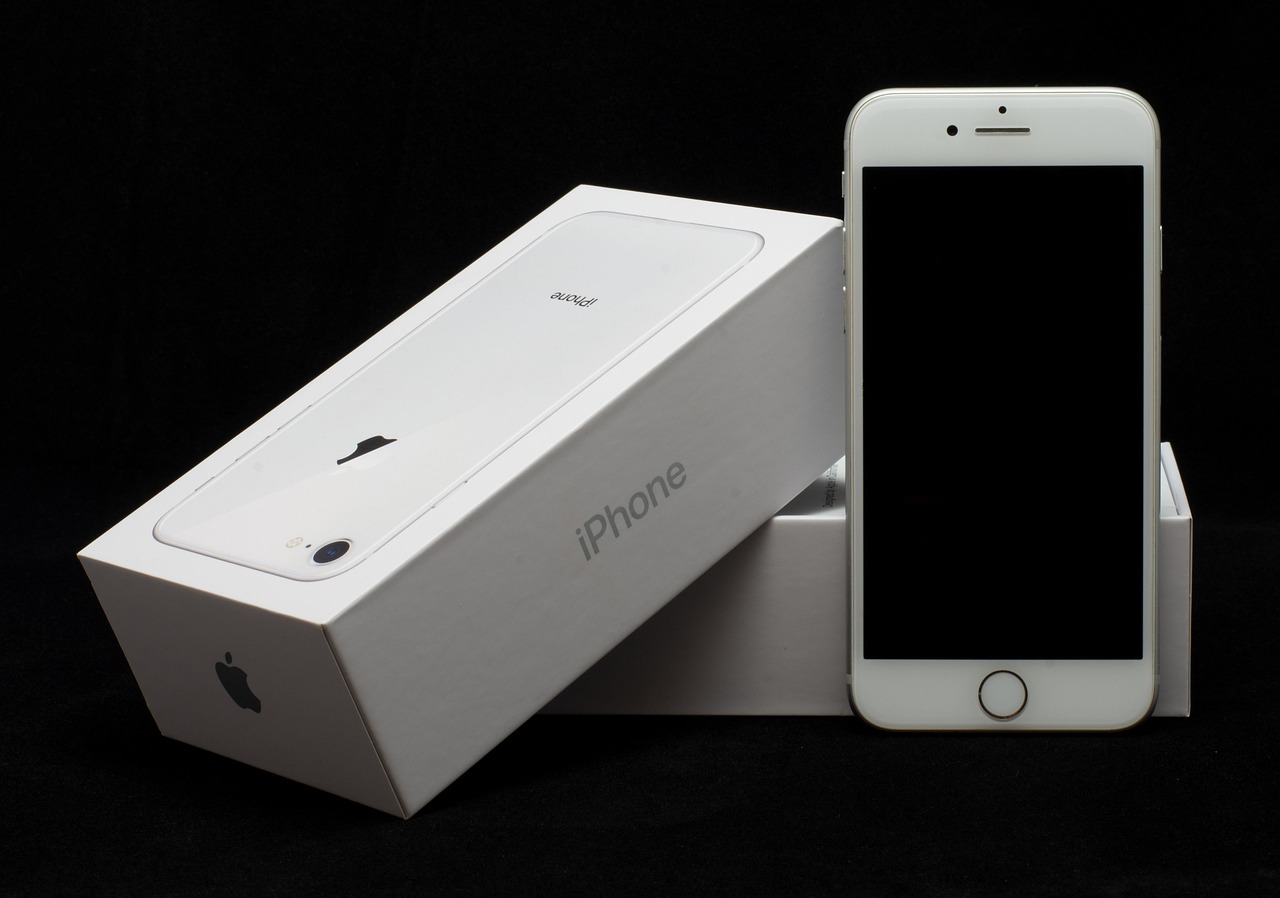
A Familiar Face with Pro-Level Perks Apple’s iPhone 17 is officially out in the wild, marking one of the most significant design and feature shifts we’ve seen in years. Announced at the Steve Jobs Theater on September 9, 2025, and hitting shelves on September 19, the base model is packing some serious hardware. If you were holding out for the Pro Max or the brand-new Air model, they have their own unique draws, but the standard iPhone 17 is turning heads all on its own.
The biggest news this year is the screen. Apple finally caved and brought the buttery-smooth 120Hz ProMotion display to the entry-level lineup, ending years of gatekeeping its best refresh rates. You get a larger, brighter display with slimmer bezels, though the overall design language remains comfortably familiar. Under the hood, the camera system got a solid bump, especially for video creators. There’s a vastly improved Center Stage front-facing camera—a massive step up from the old 12MP sensors—alongside a new 48MP ultra-wide lens and the tougher Ceramic Shield 2.
Pricing and Carrier Promotions Despite industry chatter about a potential price hike, Apple kept the entry-level cost locked at $799. Even better, they completely dropped the old base storage tiers, meaning the phone now starts at a very generous 256GB out of the box.
Getting your hands on one is pretty straightforward with the usual carrier promotions. Apple’s own iPhone Upgrade Program remains a reliable route, letting you swap devices every 12 months starting around $39.50 a month. Over at Verizon and AT&T, you can likely score the base model for free if you trade in an old device in any condition and lock into specific unlimited plans. T-Mobile is playing a similar game, offering massive discounts on premium plans or up to $700 off a second device if you add a line.
Germany Cracks Down on Parts Pairing But while US buyers are busy hunting for trade-in deals, Apple is staring down a major regulatory headache overseas. Just as the new iPhones settle into users’ pockets, a draft bill from the new administration in Berlin is aiming to completely dismantle Apple’s controversial software locks on replacement parts. The legislation is designed to make the “right to repair” a reality for millions of German users by taking direct aim at the practice known as “parts pairing.”
For the uninitiated, parts pairing is how Apple digitally ties crucial components—like the screen, battery, or camera—to a specific iPhone’s motherboard. If an independent repair shop swaps out a cracked screen, that new part has to be authenticated through Apple’s servers. Without that digital handshake, things start breaking down. True Tone disappears from the display, battery health metrics go dark, and Face ID might just stop working entirely.
The Cost of a Closed Ecosystem Critics argue this is nothing more than an artificial roadblock. It stops perfectly good original parts from old phones from being reused, which needlessly piles on the e-waste and kills any chance at a sustainable circular economy. For independent repair shops, these software barriers are an existential threat. They are essentially forced to either hand customers a half-working phone or pay the steep entry fee to join Apple’s authorized service program. This setup grants Apple a de facto monopoly on fixes and keeps prices artificially high, turning a simple battery replacement into a $100-plus ordeal that local shops could easily undercut.
Apple’s “Self Service Repair” program hasn’t really moved the needle to fix this. It’s widely dismissed as too complicated, pricey, and impractical for the average person. Industry watchers suspect it serves mostly as a shield to deflect regulatory heat rather than a genuine attempt to open up the market. Now, time is running out for the tech giant. Driven by a broader EU directive, Germany’s Justice Ministry introduced this draft early in the year, and the country has until the end of July 2026 to officially enforce these new repair mandates.
